

From "Java Jive" to "Espresso": The Enduring Role of Coffee in American Popular Music
If you like coffee and you like music, this is the piece for you.

I’m a coffee person and a music person. I come by both honestly: my paternal grandfather was a coffee enthusiast- a topic I’ve written about before- and my maternal grandfather was a jazz musician and music teacher (he was also a magician and a Disneyland employee, but that’s another story.) Anyway, both music and coffee have been a part of my life as long as I can remember. So, when I heard about the great coffee writer Noa Berger giving a talk on music and coffee, I had an idea. What if we wrote matching coffee+music pieces? To my delight, Noa agreed: we’d each compose essays on the relationship of music and coffee, from our own perspectives and fueled by our own interests. Here’s mine!
Bonus: I made a Spotify playlist of all the songs mentioned in this piece, you can listen while you read.
To discuss the role of coffee in American popular music of the twentieth century, you must first appreciate a basic fact: the most powerful influence on our musical traditions is African-American culture, especially emanating from cities like New Orleans, Memphis, Cincinnati, and Chicago. The entire structure of American pop music- from blues to house, from rock and roll to disco, heavy metal and EDM, comes from Black music.
And, believe it or not, coffee has had an important role in this music tradition, from its beginnings to now. Why coffee? Well, in the late 19th century, just as now, coffee was a tasty, relatively affordable, seemingly magical drink. It made the drinker alert, happy, and sprightly (unlike alcohol), and it was inexpensive enough to grace every table. Even rural households without much money had coffee and a coffee pot. And, due to coffee pioneers like Rose Nicaud in New Orleans, coffee had a positive connotation in Black culture. This positive relationship- between African-American culture and coffee- gave our favorite drink a role in American music. And that role persists even today.
The Coffee Pot Groups
Though unknown these days, there used to be a musical genre played by “Coffee Pot Groups”. Here’s the story. Jazz and ragtime music were developed in cities, where young Black musicians would receive formal or semi-formal instruction on traditional European instruments. The music was brilliantly complex and creative, and was performed on pianos, trumpets, clarinets, and trombones. Jazz and ragtime became wildly popular in the cities of the American south during the early part of the 20th century, and became known countrywide. Rural people heard this new music and wanted in, too, but there was an obstacle: “real” instruments were expensive. The solution was to improvise. Instead of pricey drum kits, trumpets, and trombones, “country” bands made instruments out of washboards, whiskey jugs, “kazoos”, and….. coffee pots. Why a coffee pot? Well, everyone had a coffee pot, for one thing. And, if you put your mouth on the pot and used your voice, the resonance of the pot would create a convincing simulation of a trombone. Don’t believe me? Check out bit of film from 1928 as two musicians play a variety of instruments, including the coffee pot.
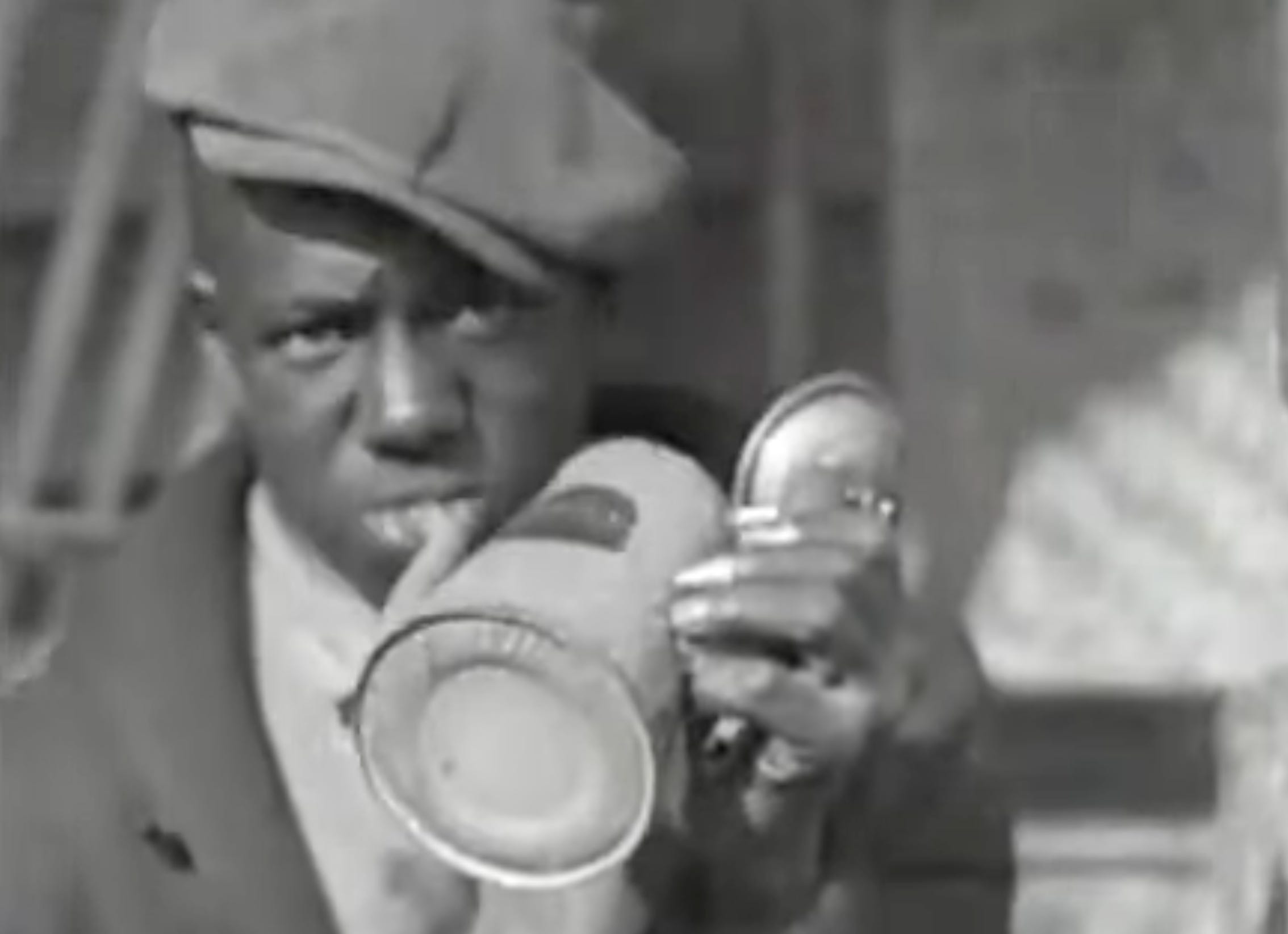
The nickname “Coffee Pot Group” was applied to these bands, and pretty soon young men in the cities began forming them to play on the streets as public entertainment. They played coffee pots of all sizes, along with washtubs, kazoos, and washboards. Some bands even gave themselves coffee-themed names, like Indianapolis’ “The Percolating Puppies”. In some ways, this was the forerunner of the late 20th century “garage band”: young people without formal music training improvising a new musical style. Some of these young musicians went on to musical fame, including the Mills Brothers and Percolating Puppies alumni the Ink Spots, who had a 1940 hit with “Java Jive”, an ode to coffee, and a play on their Coffee Pot Group past. In any case, the early Coffee Pot Groups laid a foundation for improvised, creative, and young musical groups, who created popular music during the blues and jazz eras to follow.
That Lovin’ Spoonful: Double Meaning and Coffee Songs
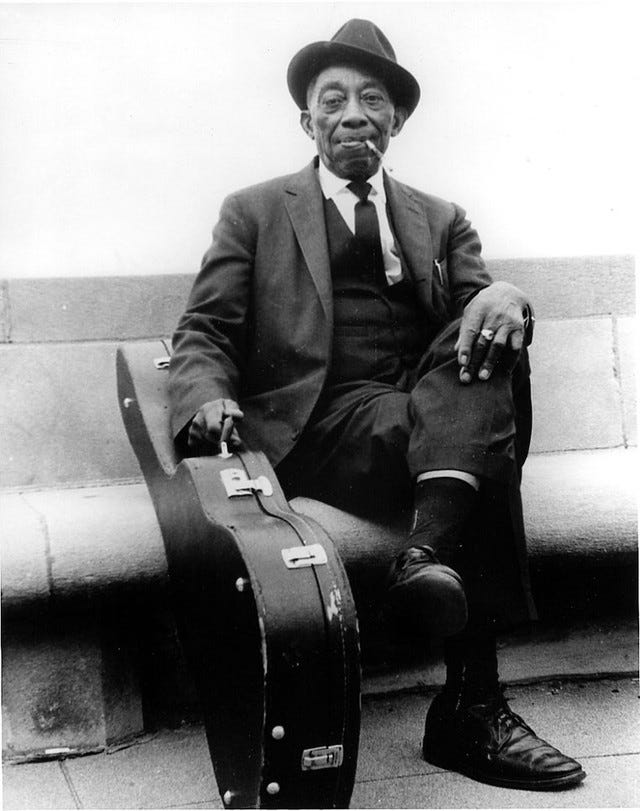
Now, in the African-American song traditions of country blues and its urban sibling, jazz, there was a habit of making songs a little more entertaining by leveraging a little (or a lot of) sexual innuendo. This style became known as “hokum”, “dirty blues” or “lowdown blues”, and was incredibly creative in its use of double entendre. Song phrases like “Ain’t Gonna Give You None Of My Jelly Roll” and “I Need A Little Sugar In My Bowl” used “sugar” and “cake” to mean, well, sex. Hot dogs, tamales, meatballs, nuts, honey, pie, etc. etc. all were part of the rich double-meaning vocabulary of the song style. The phrase “hot” was important too: it described the sound of jazz music , and it also implied sexual excitement. “Hot Coffee” fit right in to the milieu: it was hot, it gave energy, it was sweet, it was black- all positive things in the culture. However, crucially, coffee wasn’t quite as racy as some of the other metaphors. Coffee, while exciting and “hot”, was also a symbol of home and familiarity. This meaning, though present, wasn’t super clear in the first blues song to mention coffee. In 1924’s “Coffee Pot Blues” by Charlie Jackson, coffee was an instrument of betrayal: two young lovers poison the coffee pot to kill her parents so they could elope. It was still a symbol of home and love, however. A better example is Bessie Smith’s “Empty Bed Blues” which includes the lyrics: “I woke up this morning with a awful aching head, My new man had left me, just a room and a empty bed, Bought me a coffee grinder, that's the best one I could find, Oh, he could grind my coffee, 'cause he had a brand-new grind.” In this song, coffee was symbolic of the thrill of new love. My favorite song in this genre is “Coffee Blues” by Mississippi John Hurt, which is an incredibly sweet ode to a woman who he compares with Maxwell House Coffee, of which a single spoonful is as good as “two or three cups of that other coffee”. He calls her affection his “loving spoonful” (this name went on to inspire the name of a 60’s folk group). He sings, “Good morning baby, how you doing this morning? Well, please, ma’am, just a loving spoonful.”
Coffee became a potent metaphor for love later in the blues and jazz tradition. In 1948, Sarah Vaughan recorded the amazing torch song “Black Coffee”, a song in which a woman drinks coffee as a lonely substitute for a lost love. The song was a hit for Vaughan, and later became an example of “crossover”, when a white artist covered a song originally recorded by a black one. Singer Peggy Lee named her second album “Black Coffee” and covered the song in 1953. This song may have also inspired a honky tonk singer from Texas, the great Lefty Frizzell, to compose “Cigarettes and Coffee Blues”, one of the great coffee songs of all time. It seems that white artists might have taken more to the coffee and loneliness motif, because fellow Texan Claude Grey recorded “I’ll Just Have A Cup of Coffee (And I’ll Go)” in 1960, a bittersweet tale of a divorcing couple. Amazingly, this coffee song became a hit in Jamaica of all places when aspiring singer Bob Marley recorded a ska version (with the Skatalites) as “One Cup of Coffee” in 1962.
Coffee Pots and Sugar Shacks: Coffee Goes Pop
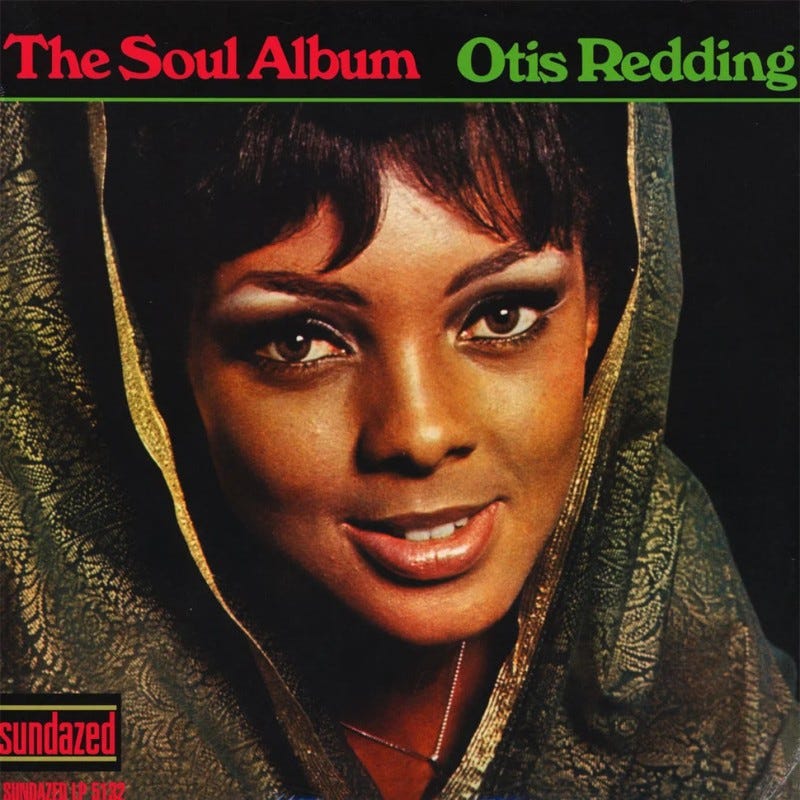
In 1962, Billy Joe and the Checkmates recorded “Percolator”, a coffee-themed entry into the Twist craze of the time. This was the first of the coffee instrumentals, and was a pop hit. In 1966, New Orleans “Bo Jr” (a pseudonym paying tribute to soul great Eddie Bo) released “Coffee Pot”, a New Orleans soulful scorcher played on the Hammond organ. It’s a must-listen. The same year, Otis Redding recorded “Cigarettes and Coffee”, on his The Soul Album. It is, to me, a perfect love song from a man to a woman, expressing the deep satisfaction and joy of a cup of coffee and a cigarette in the morning together. It’s a soulful classic.
But the 60s were also weird. Texas band Jimmy Gilbert and the Fireballs had a monster hit with “Sugar Shack”, a pop number describing a coffee house where a barefoot, leotard-wearing “girlie” made “expresso coffee” taste mighty good. It was a strange sounding song, but its theme was right in line with other coffee songs of the era: coffee was exciting, hot, and romantic. It’s also the first mention of espresso- though mispronounced- in American pop music.
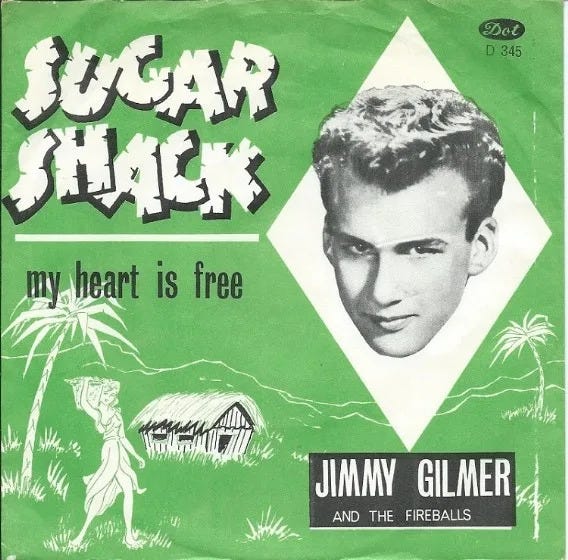
Though it’s my least favorite of all the coffee tunes, “Sugar Shack” may capture the enduring meaning of coffee in American music. Love, excitement, a little sex, double entendre, affection and sweetness. That’s what coffee is in American song.
Keeping it strange, house music pioneer Cajmere (later Green Velvet) released “Coffee Pot (Percolator)” in 1992. It’s a minimalistic tune with bleeps, bloops, and a single repeated lyric: “It’s Time for the Percolator”. No love here, just pure energy.
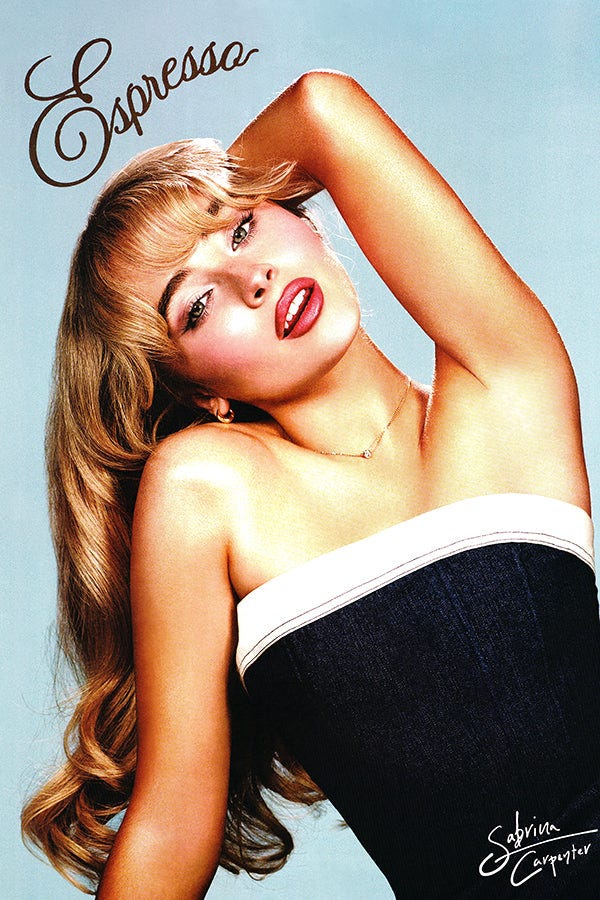
Given coffee’s enduring meaning in American music, it was no surprise when Sabrina Carpenter’s “Espresso” went to #1 in 2024. This song is, in some ways, a perfect coffee song: it leverages coffee as a double-entendre, meaning both sex and love, whose partner is addicted to her sweet affection. Perhaps unconsciously, it draws on themes from the earliest jazz and blues tunes, which used coffee metaphors in exactly the same way.
Some things just don’t change.
I really enjoyed the playlist!